
Categories
Buying, Tips & AdvicePublished February 20, 2026
Complete Guide to Buying a Home in Whatcom County

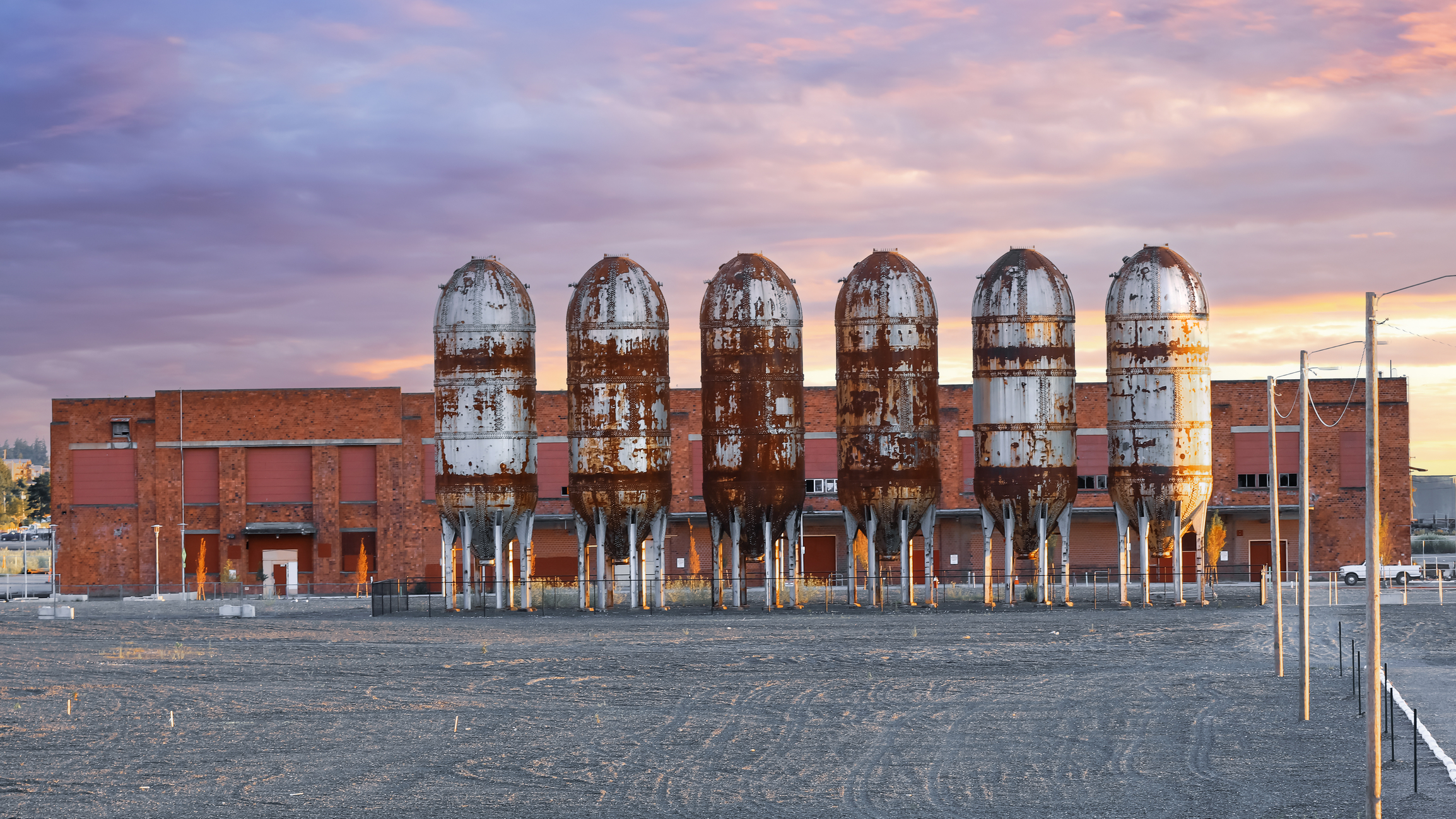
Complete Guide to Buying a Home in Whatcom County
Thinking about buying a home in Whatcom County? Whether you're drawn to Bellingham's vibrant downtown, the small-town charm of Lynden, or the waterfront communities along Birch Bay, you're considering one of the Pacific Northwest's most beautiful places to live. This guide walks you through everything you need to know about the home-buying process in Whatcom County.
Understanding the Whatcom County Real Estate Market
Whatcom County offers diverse housing options, from historic homes in Bellingham's Fairhaven district to new construction in growing communities like Ferndale and Blaine. The market here tends to move quickly, especially during spring and summer months when inventory increases and buyers are most active.
Home prices vary significantly depending on location and property type. Bellingham, as the county's largest city, typically has higher prices, while smaller communities like Everson and Sumas offer more affordable options. Waterfront properties along Bellingham Bay, Lake Whatcom, and Birch Bay command premium prices due to limited availability and high demand.
Step 1: Get Pre-Approved for a Mortgage
Before you start touring homes, getting pre-approved for a mortgage is essential. In Whatcom County's competitive market, sellers often receive multiple offers, and a pre-approval letter shows you're a serious buyer who can close the deal.
A pre-approval is different from a pre-qualification. Pre-approval means a lender has reviewed your financial documents, checked your credit, and committed to lending you a specific amount. This makes your offer much stronger when you find the right home.
Plan to provide your lender with recent pay stubs, tax returns, bank statements, and information about any debts you're carrying. The process typically takes a few days to a week.
Step 2: Determine What You're Looking For
Whatcom County is large and diverse, so narrowing down your search area saves time and prevents overwhelm. Consider these factors:
Commute and location: Are you working in Bellingham, commuting to the refinery in Ferndale, or working remotely? Your daily commute will significantly impact your quality of life.
Lifestyle preferences: Do you want walkable urban living in downtown Bellingham, suburban comfort in Lynden or Ferndale, or rural acreage in the county? Each offers a completely different lifestyle.
School districts: If you have children, research school ratings and boundaries. Bellingham, Lynden, Blaine, Ferndale, and Meridian school districts each have different strengths.
Property type: Single-family homes, condos, townhomes, and rural properties with land are all available. Each comes with different maintenance responsibilities and costs.
Step 3: Work With a Local Real Estate Agent
A local agent who knows Whatcom County intimately is invaluable. They understand neighborhood nuances, know which areas are appreciating quickly, can identify potential red flags with properties, and have insights into local market conditions that you won't find online.
Before your agent can begin working with you, Washington State law now requires a signed Buyer Broker Agreement. This agreement, which went into effect in 2025, clearly outlines the services your agent will provide, the commission structure, and your working relationship. Your agent will explain all terms before you sign.
Once the agreement is in place, your agent will set up property searches tailored to your criteria, schedule showings, provide guidance on fair pricing, help you craft competitive offers, and negotiate on your behalf. Agent commissions are negotiable and will be clearly disclosed upfront in your Buyer Broker Agreement. In most transactions, the seller pays both the listing agent's and buyer's agent's commissions, though this can be negotiated as part of the offer.
Step 4: Tour Homes and Make Your Decision
Once you start touring homes, pay attention to both the property itself and the surrounding area. Visit neighborhoods at different times of day to get a feel for traffic, noise levels, and the community.
Look beyond cosmetic details like paint colors and landscaping. Focus on the home's bones: foundation, roof condition, windows, heating system, and layout. These are expensive to change, while paint and flooring are relatively easy updates.
In Whatcom County, be aware of potential issues like:
- Septic systems: Many rural properties use septic rather than sewer. Make sure it's been properly maintained and has capacity for your household size.
- Well water: If the property has a well, you'll want water testing as part of your inspection.
- Flood zones: Some areas near rivers and the bay are in flood zones, which affects insurance costs.
- Older homes: Bellingham has many charming older homes, but they may need electrical updates, insulation improvements, or foundation work.
Step 5: Make an Offer
When you find the right home, your agent will help you determine a competitive offer price based on recent comparable sales, current market conditions, and the property's condition.
Your offer will include:
- Purchase price
- Earnest money deposit: Typically 1-3% of the purchase price, held in escrow to show you're serious
- Contingencies: Inspection, financing, and appraisal contingencies protect you if issues arise
- Proposed closing date
- Any special terms: Like requesting the seller include appliances or make specific repairs
- In competitive situations with multiple offers, you may need to make your offer more attractive by offering above asking price, increasing your earnest money, or shortening contingency periods.
Step 6: Home Inspection
Once your offer is accepted, schedule a professional home inspection immediately. This typically costs $400-600 depending on the home's size and age, and it's money well spent.
A thorough inspection covers the roof, foundation, electrical, plumbing, HVAC, appliances, and structure. In Whatcom County, inspectors also often check for moisture issues and wood-destroying organisms, which are common in our wet climate.
Based on the inspection results, you can:
- Proceed as-is: If everything looks good or issues are minor
- Request repairs: Ask the seller to fix specific problems
- Request a price reduction: To account for needed repairs you'll handle after closing
- Walk away: If major issues are discovered and you have an inspection contingency
Step 7: Appraisal and Finalizing Financing
Your lender will order an appraisal to confirm the home's value matches the loan amount. If the appraisal comes in lower than your offer price, you'll need to either renegotiate with the seller, bring more cash to closing to cover the gap, or potentially walk away if you have an appraisal contingency.
During this time, avoid making major financial changes. Don't open new credit cards, make large purchases, or change jobs if possible. Lenders verify your financial status right up until closing, and changes can delay or derail your loan.
Step 8: Final Walkthrough and Closing
A few days before closing, you'll do a final walkthrough to ensure the property is in the agreed-upon condition and any negotiated repairs were completed.
Closing typically happens at a title company. You'll sign numerous documents and pay your down payment and closing costs. In Washington State, you typically don't receive keys immediately at closing—the transfer of the sale must be recorded with the county first. Your buyer's agent will coordinate the key transfer with the seller's agent once the transfer is complete unless possession times were previously arranged. Bring a cashier's check or arrange a wire transfer for the funds due at closing—personal checks aren't accepted for large amounts.
Closing costs in Washington typically run 2-5% of the purchase price and include loan fees, title insurance, escrow fees, property taxes, and homeowners insurance.
Washington State Specifics to Know
Disclosure requirements: Washington law requires sellers to complete a detailed disclosure form about the property's condition, any known issues, and environmental hazards. Review this carefully with your agent.
No attorney requirement: Unlike some states, Washington doesn't require attorneys at closing, though you can hire one if you want.
Excise tax: The seller typically pays the state excise tax on the sale, but local jurisdictions may have additional taxes.
HOA documents: If buying a condo or home in an HOA community, you have three days to review HOA documents and can cancel the sale if you find anything unacceptable.
First-Time Homebuyer Programs
Washington State offers several programs that can help first-time buyers:
House Key by the Washington State Housing Finance Commission offers down payment assistance and competitive interest rates for qualified buyers. Income limits apply, and you must complete a homebuyer education course, but it can make homeownership much more accessible.
Some local credit unions and banks also offer first-time buyer programs with reduced down payments or closing cost assistance.
Timeline Expectations
From offer acceptance to closing typically takes 30-45 days, though cash purchases can close faster. Breaking this down:
Inspection: Within 7-10 days of offer acceptance
- Appraisal: 1-2 weeks after ordering
- Loan processing: 3-4 weeks
- Final approval and closing preparation: Final week
- Market conditions affect timelines too. In competitive spring and summer markets, you might tour homes for weeks or months before getting an offer accepted. In slower winter months, you may have more negotiating power and move faster.
Why Whatcom County?
Beyond the home-buying process, it's worth considering what makes Whatcom County special. You're getting access to incredible outdoor recreation—hiking in the North Cascades, skiing at Mt. Baker, kayaking in the San Juan Islands, and miles of trails around Lake Whatcom.
Bellingham offers a thriving arts scene, craft breweries, farm-to-table restaurants, and Western Washington University. Smaller communities provide tight-knit neighborhoods where people know their neighbors.
The Pacific Northwest climate means mild, wet winters and beautiful summers. You'll trade snow and extreme cold for rain and greenery year-round.
Common Questions
How competitive is the Whatcom County market?
Competition varies by season and price point. Homes under $500,000 in Bellingham often receive multiple offers, especially in spring and summer. Rural properties and higher-priced homes may sit longer.
Should I buy now or wait?
This depends on your personal situation more than market timing. If you're financially ready, plan to stay at least 5-7 years, and have found a home you love in your budget, buying makes sense regardless of market predictions.
What are property taxes like?
Property taxes in Whatcom County are around 1% of assessed value annually, though this varies by location and local levies. Your lender will likely require you to pay property taxes monthly into an escrow account.
Do I need flood insurance?
If you're buying in a designated flood zone, your lender will require flood insurance. Even outside flood zones, it's worth considering given our proximity to water and heavy rainfall.
Ready to Start Your Home Search?
Buying a home in Whatcom County is an exciting journey. The key is being prepared, working with experienced professionals who know the area, and staying patient until you find the right fit.
The process can feel overwhelming, but breaking it into steps makes it manageable. And once you're sitting on your deck watching the sunset over Bellingham Bay or waking up to mountain views, you'll know it was all worth it.
If you have questions about buying in Whatcom County or want to start your search, reach out to a local real estate agent who can provide personalized guidance based on your specific situation and goals. The perfect Whatcom County home is out there waiting for you.

David Campbell
| The Campbell Home Team | Keller Williams Western Realty | PLACE
or another way